Image showing artisan chisel carving letters CTW into wood

Let's get the conversation started

    Open: 09:00 – 17:00
    Off Grid & Eco Homes Get In Touch c

    Eco Homes & Off-Grid Timber Buildings — London & Cambridge

    An eco home isn’t defined by a single product — it’s the result of a fabric-first approach that makes energy demand small, comfort reliable and maintenance straightforward. 

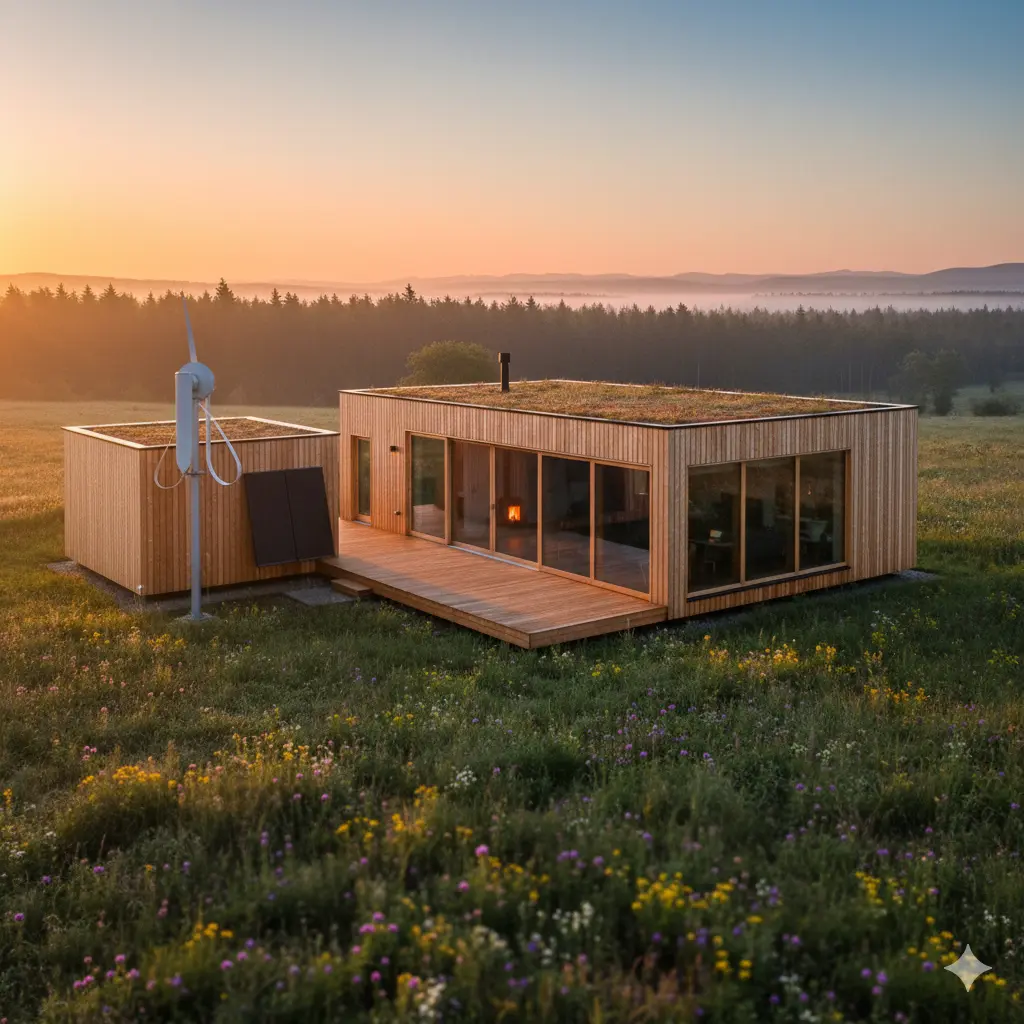
    Chisel to Wood designs and builds low-energy timber eco homes and off-grid buildings across London and Cambridge, aligning airtightness, insulation, glazing and detailing before we add renewables. 

    The outcome is a building that feels calm, costs less to run and stays resilient over time — with natural materials you’ll enjoy living with.

    Fabric-first: where performance really comes from

    • Thermal envelope: continuous insulation, reduced cold bridges, optimised U-values appropriate to budget.
    • Airtightness: simple, inspectable air barrier; careful service penetrations; tested where required.
    • Moisture safety: breathable assemblies that manage vapour and resist interstitial condensation.
    • Glazing strategy: solar control, orientation, opening for purge; daylight without glare.
    • Ventilation: background and extract strategies; MVHR where appropriate for air quality and heat recovery.

    Natural materials & healthy interiors

    We favour timber structures, responsibly sourced claddings, and finishes with low VOC content.


     Interiors are designed for daylight, acoustic calm and tactile simplicity


    We’ll suggest linings and floorings that wear gracefully and can be renewed, not binned — alongside joinery that keeps surfaces clea

    London Challenges

    In dense urban locations, the challenge is privacy, daylight and neighbourly construction. 

    We tailor sections and openings to avoid overlooking, use acoustic upgrades where needed, and plan deliveries and waste removal for minimum disturbance. 

    We’re experienced with conservation areas and design codes that reward thoughtful massing and material selection.


    Cambridge context

    In and around Cambridge — from the city to villages like Histon, Girton, Trumpington and Shelford — clients often prioritise operational performance and a quiet architectural language


    We’ll tune the envelope to your target (from sensible low energy to ultra-low), specify appropriate renewables, and design simple details that make maintenance a non-issue.

    Off-grid & low-grid strategies (pick what fits your life)

    • Power: PV arrays, micro-inverters, DC optimisation, battery storage sized to usage patterns.
    • Heat: compact air-to-air heat pumps; high-efficiency IR panels; wood burners in suitable contexts.
    • Hot water: heat-pump cylinders or solar thermal in specific cases.
    • Water: rainwater harvesting, low-flow sanitaryware, greywater options (site-specific).
    • Controls: smart metering and load management to keep systems simple and legible.

    Example building types

    • Eco annexe: guest suite or multi-use living with compact kitchenette; tuned fabric; MVHR if appropriate.
    • Studio with micro-generation: daylight-rich workplace powered by PV + battery; acoustic lining for focus.
    • Family eco cabin: 1–2 bedroom configuration; large openings to garden; shading strategy; low-maintenance cladding.

    Design development (our process in practice)

    • Brief & feasibility: goals, budget, site constraints; choose a realistic performance target.
    • Survey & concept: confirm access, ground and services; massing and plan options; initial fabric spec.
    • Coordinated design: integrate structure, services and envelope; energy modelling input where required.
    • Permissions: planning submissions, design statements, conservation input; neighbour communication.
    • Build: robust sub-structure; precision frame; weather-tight shell early; methodical services and airtightness checks.
    • Commission & aftercare: system handover, user-friendly controls, maintenance notes; optional monitoring.

    What performance costs — and what it saves

    Ultra-low energy targets cost more up front; sensible low-energy specs offer excellent returns without complexity. 

    We’ll present tiered specifications so you can see the price-to-benefit curve clearly — including running-cost projections. 

    Our aim is to keep things simple to use and easy to maintain, avoiding gadgetry you’ll tire of.

    Detailing for longevity

    Eaves, sills, thresholds and ground interfaces are detailed to shed water, protect finishes and allow renewal. 


    Ventilated cavities and replaceable wear layers make maintenance predictable. 


    We avoid hidden reliance on sealants; where we use them, we do so with access in mind.

    Case-study flavour (ask for full packs)

    Eco homes often sit in planning contexts that welcome low energy and simple massing, but each site is unique. 


    We’ll advise on permitted routes, coordinate consultants as needed, and prepare documents that explain the performance logic in plain terms. 


    Where Building Regulations apply (most eco homes and annexes), we design from the outset for compliance without contortions.

    What you’ll feel living in it

    • Even temperatures: fewer cold surfaces, fewer draughts.
    • Quiet: fabric and detailing reduce outside noise; internal acoustics feel calmer.
    • Air quality: controlled ventilation with filtered, fresh air; reduced condensation risk.
    • Light: balanced daylight that’s gentle on eyes and screens alike.
    • Ease: controls that make sense, finishes that are easy to care for, parts you can replace.

    Budget pointers (guide ranges)

    • Eco studio/annexe (compact): typically £40k–£70k depending on spec, services and permissions.
    • Larger eco cabin / two-room layout: often £70k–£120k+ subject to structure, glazing and systems.#

    We’ll give you a fixed quote after survey and a coordinated specification, with clear alternates if you want to dial elements up or down.

    Areas We Cover

    London: Richmond, Wimbledon, Hampstead, Islington, Camden, Hammersmith & Fulham, Chelsea, Chiswick and more.


    Cambridge & villages: Cambridge city, Histon, Girton, Trumpington, Shelford, Sawston and surrounds. Close by? Ask — we’re flexible.

    FAQs – London  & Cambridge Eco Homes

    Can you hit a specific airtightness or energy target?

    Yes — we’ll align design and site method to your goal and bring in testing or modelling as needed.

    Is fully off-grid realistic in London?

    Full autonomy is rare in dense urban plots, but low-grid (PV + battery + water measures) is practical and worthwhile.

    Will I understand the systems?

    That’s the point. We specify legible controls and produce a simple handover guide so you feel in command.

    Can you add storage and fitted furniture?

    Yes — desks, shelves, benches and hidden storage are common and transform everyday usability.

    Ready to Build Something Extraordinary?

    If you’re exploring an eco home or off-grid building in London or Cambridge, let’s review feasibility together.

    Share your aims and any site notes and we’ll come back with concept options and a performance-led outline.